Neuromuscular Therapy
Targeted Neuromuscular Therapy designed to identify and correct the source of pain, not just reduce symptoms. This clinical approach integrates movement analysis, muscle mapping, and precise manual therapy to restore function and improve long-term outcomes.
What Is Neuromuscular Therapy
Neuromuscular Therapy (abbreviated NMT) is a clinical system of manual therapy that evaluates and treats dysfunction in muscles, nerves, and movement patterns. It focuses on trigger points, nerve entrapment, and biomechanical imbalance to reduce pain and restore function.
When first learning what is neuromuscular therapy these principles ensure your treatment targets the true source of pain (not just the symptoms) by understanding how your entire body works as one system with many parts. And by supporting your body’s natural ability to heal (or enhancing the body’s innate regenerative capacity at the cellular level) and restoring proper structure and function (homeostasis), neuromuscular therapy delivers more precise, longer-lasting relief.
Precision Neuromuscular Therapy Definition
The 4 NMT principles of Precision neuromuscular therapy according to Jooj Dudin, LMT are the following:
- The body operates as one unified system.
- It has an inherent ability to regulate itself and promote its own healing.
- Structure and function are interdependent and continuously influence one another.
- Treatment approaches are grounded in and guided by these foundational principles.
The 5 Neuromuscular Care Models Explained
These systems are interconnected and interdependent, meaning true, lasting relief requires addressing all five – not just one. Each model represents a critical pillar of human function:
- Biomechanical: Structural alignment, joint mobility, and movement efficiency
- Neurological: Nerve signaling, motor control, and pain processing
- Respiratory-Circulatory: Oxygenation, blood flow, and tissue healing
- Metabolic: Cellular energy, inflammation, and recovery capacity
- Behavioral: Habits, stress patterns, and movement behaviors
At JOOJ Neuromusculsr in Louisville, The Jooj Method™ is built on this clinically integrated framework that recognizes pain and dysfunction as multi-system problems – not isolated symptoms. This is what separates neuromuscular therapy from traditional massage and chiropractic: It focuses on root-cause correction, not temporary symptom relief.
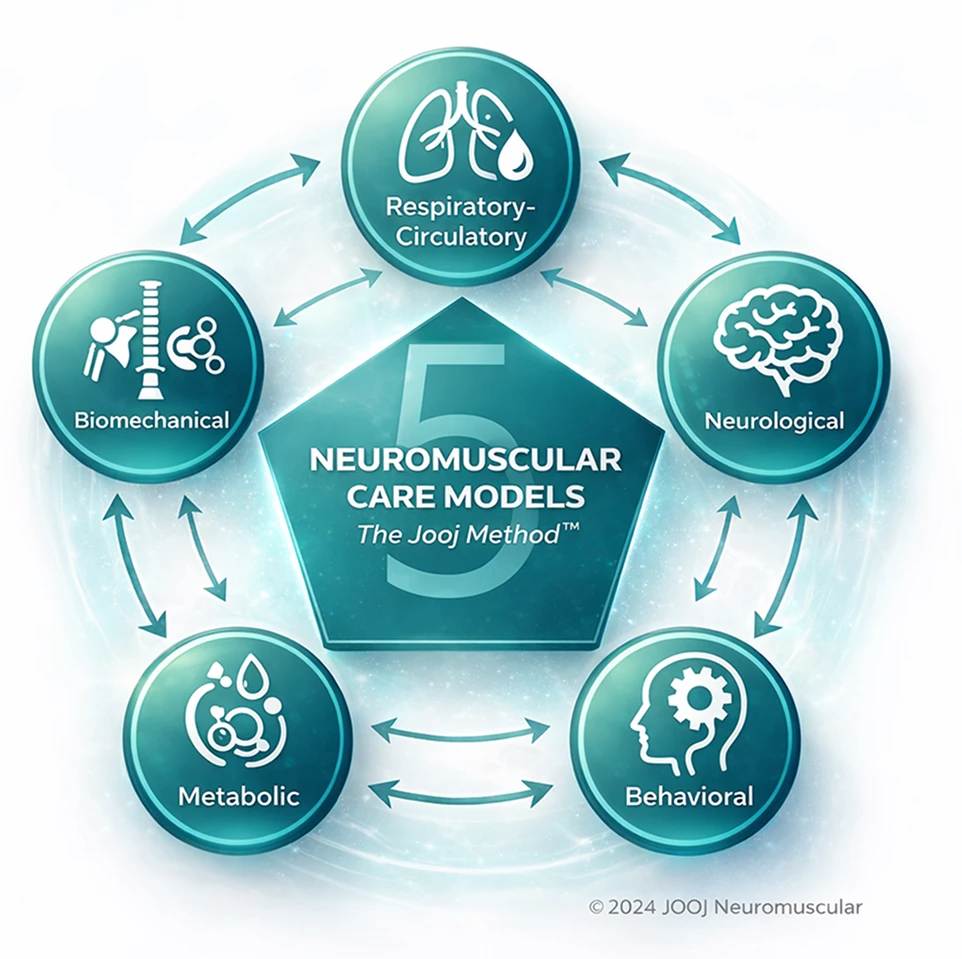
Infographic illustrates (above): 5 Neuromuscular Care Models of the Jooj Method™, a comprehensive clinical framework integrating biomechanical, neurological, respiratory-circulatory, metabolic, and behavioral systems to address root-cause dysfunction and optimize whole-body healing.
Neuromuscular Treatment in Louisville KY
Neuromuscular Therapy uses a structured framework of assessment and intervention techniques to identify and correct dysfunction. Each component contributes to a comprehensive treatment plan.
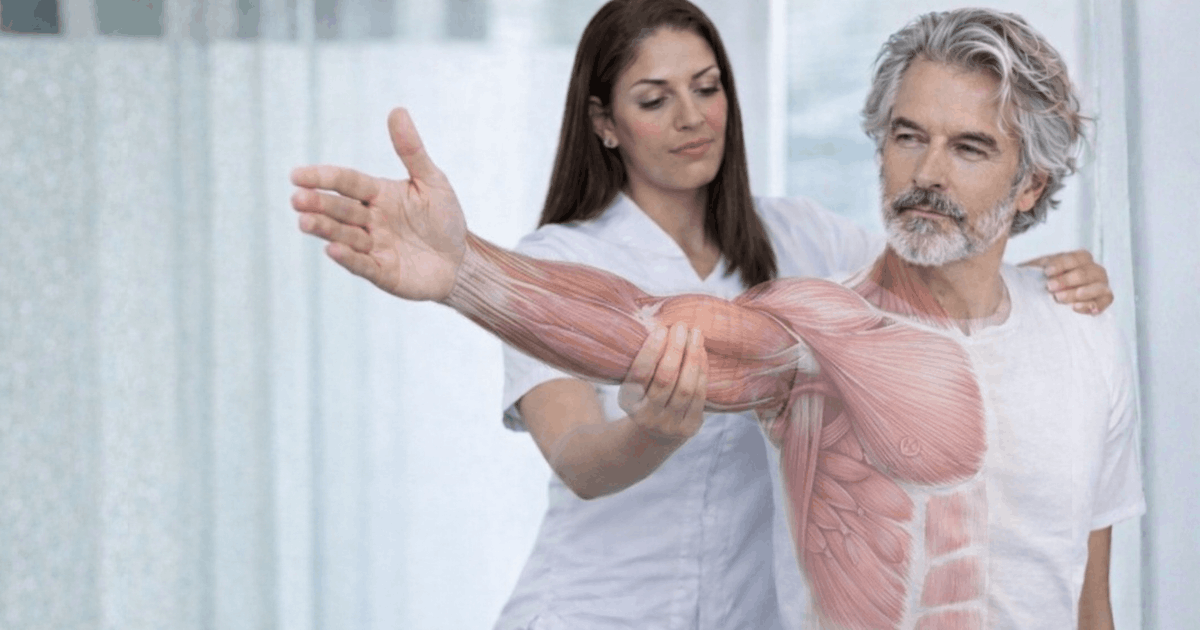
Movement Analysis
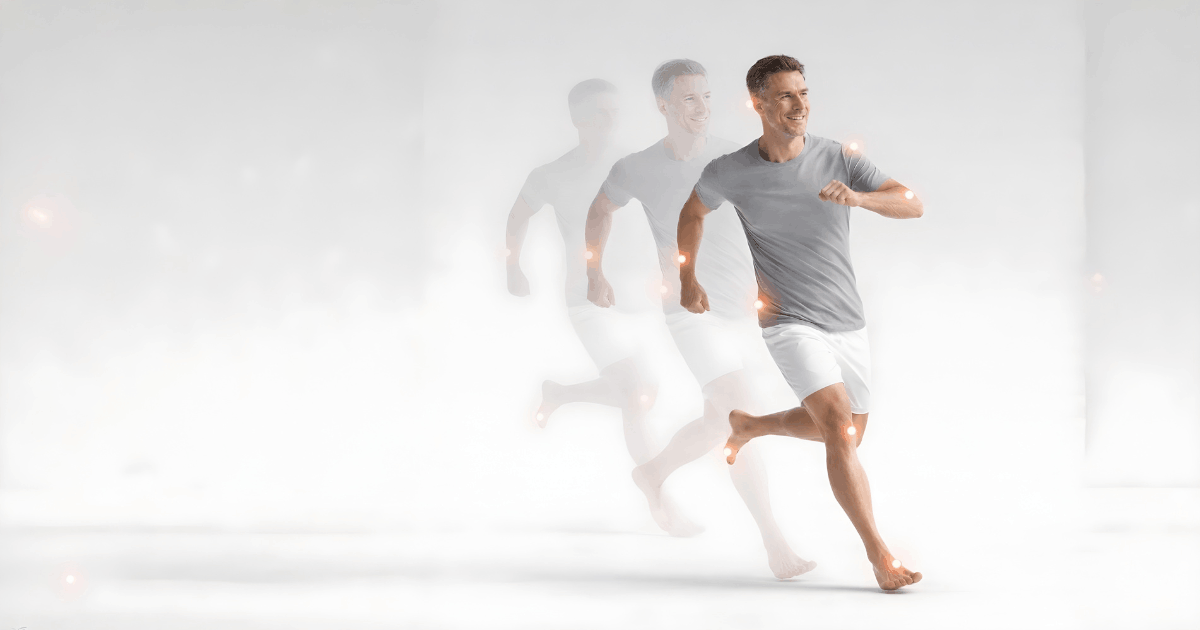
Evaluates functional movement patterns to identify biomechanical dysfunction and pain drivers.
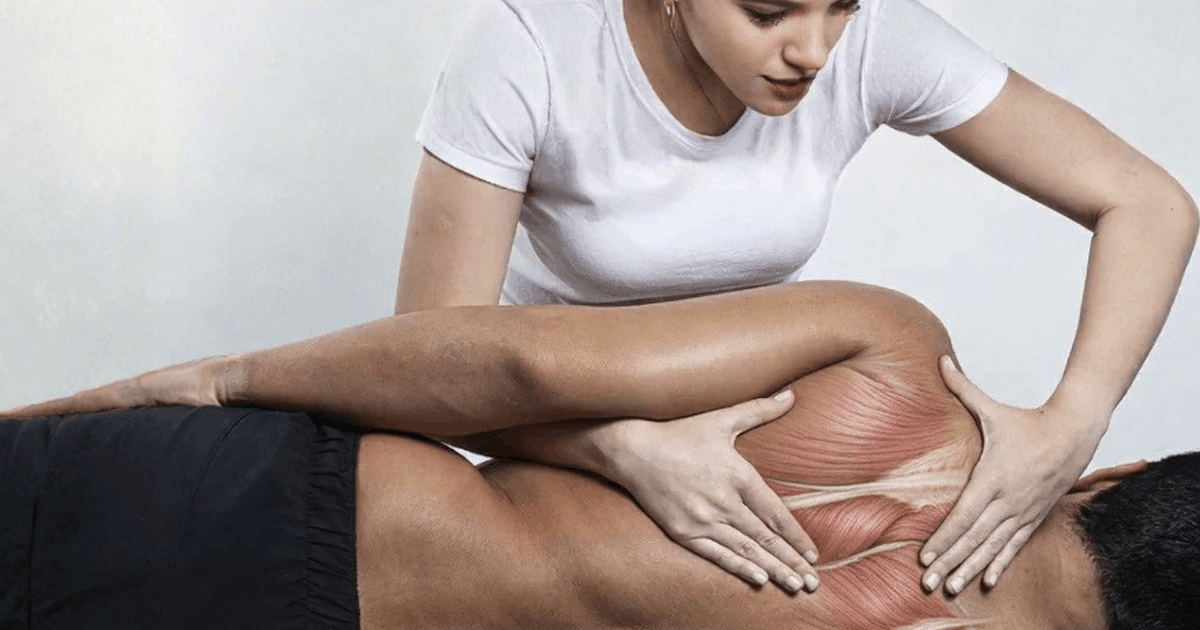
Muscle Mapping
Assesses muscle tone, trigger points, and imbalances to guide targeted treatment planning
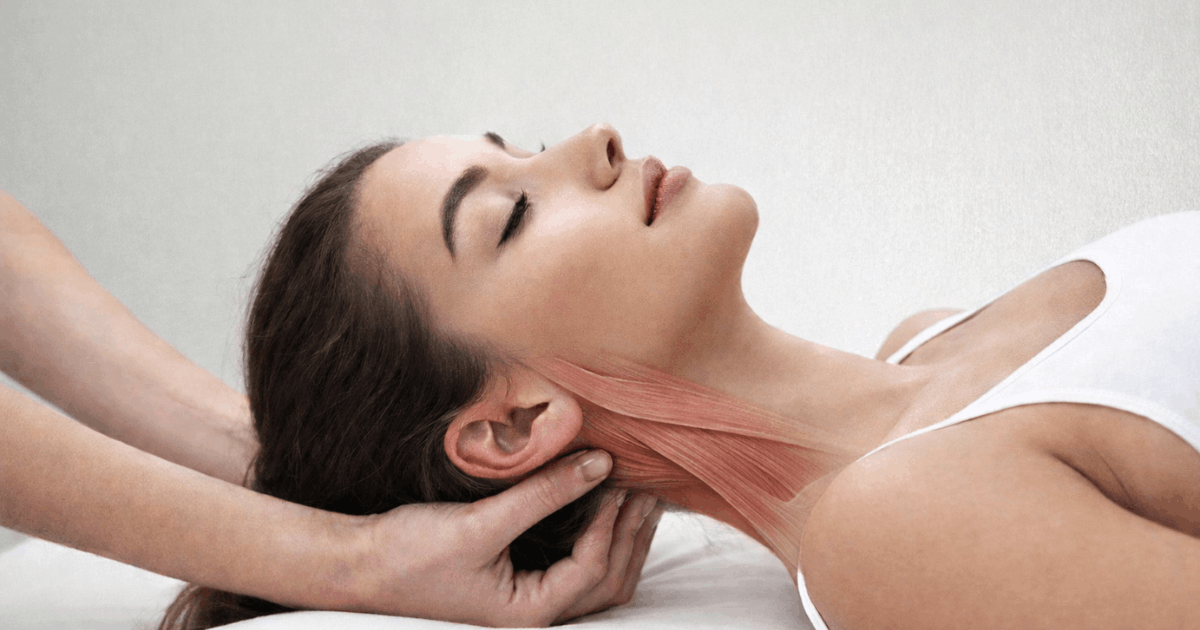
Manual Therapy
Applies skilled hands-on techniques to restore mobility, reduce pain, and improve function.
Myofascial Release
Trigger Point Therapy
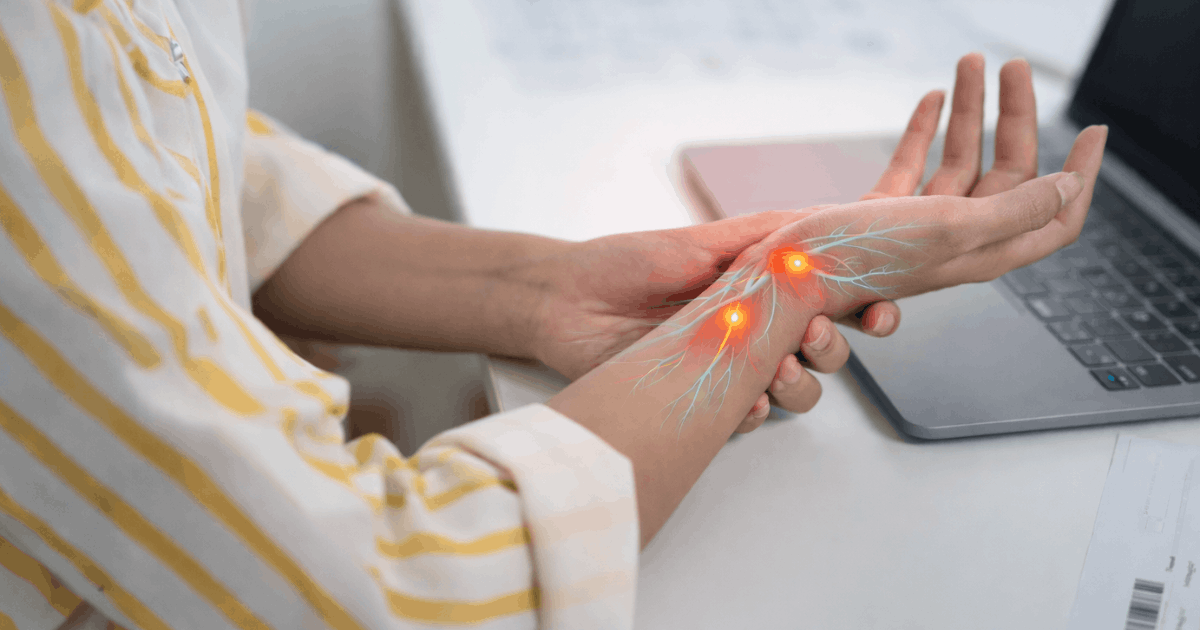
Nerve Mobilization
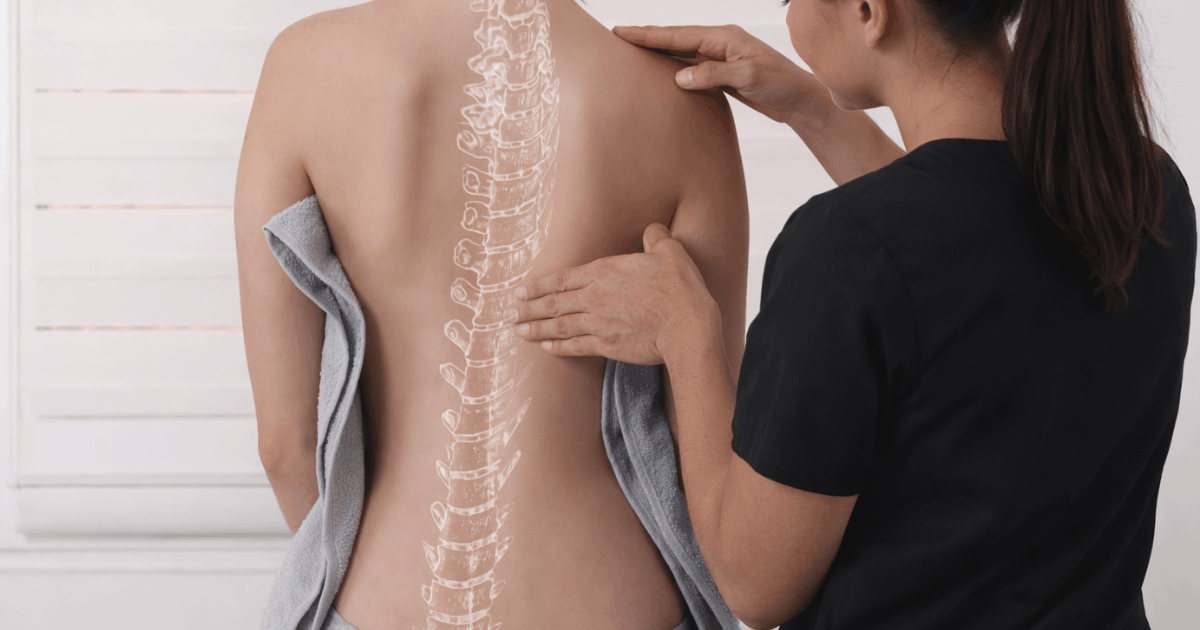
Postural Correction
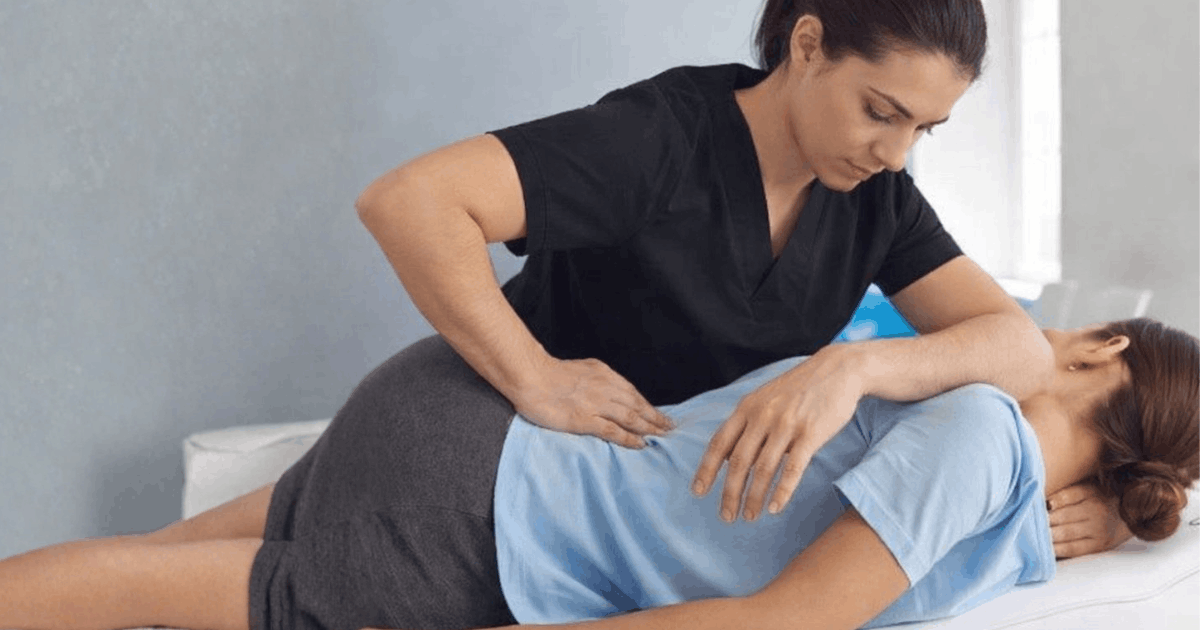
Structural Alignment
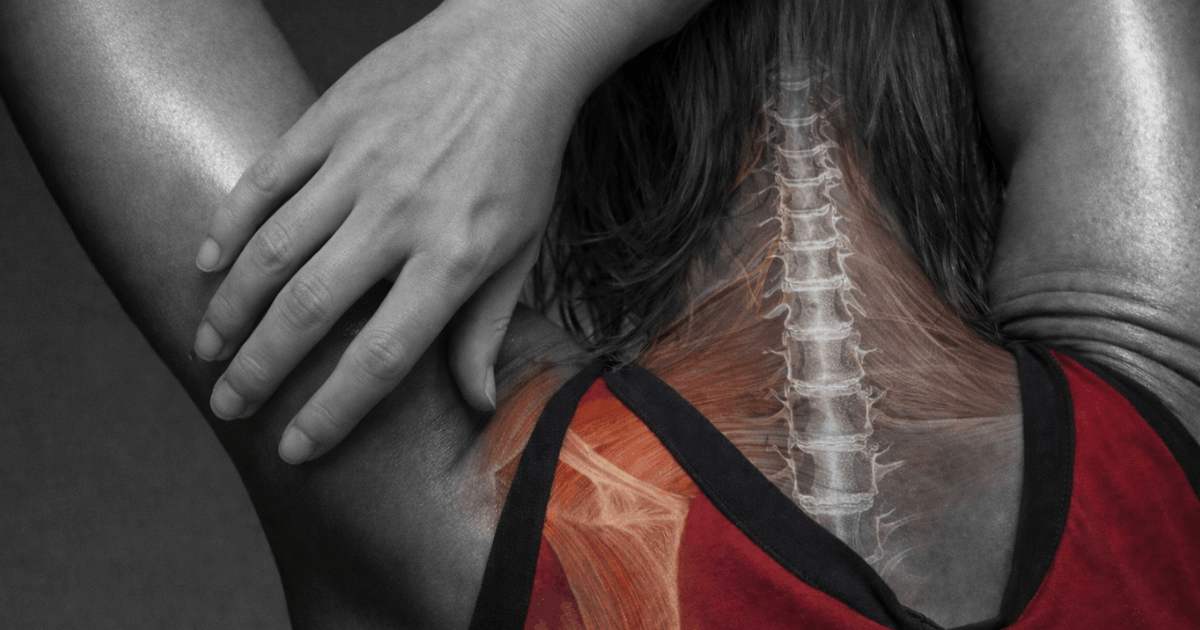
Neural Reset
Modulates nervous system activity to reduce pain sensitivity and restore muscle function.
Who Neuromuscular Therapy Is For
Neuromuscular Therapy is indicated for patients with persistent pain, movement restriction, or recurring injury—especially those who have not responded to general massage or passive care. It is ideal for individuals seeking measurable improvements in mobility, strength, and pain reduction, including active adults, desk workers, and those with chronic musculoskeletal conditions.
Common Neuromuscular Conditions Treated In Louisville:
- Chronic back pain
- Sciatica and nerve-related pain
- Neck pain and tension
- Shoulder pain and dysfunction
- Hip pain and mobility restriction
- Postural imbalance and alignment issues
- Muscle tightness and trigger points
- Repetitive strain injuries
- Limited range of motion
- Movement dysfunction and compensation patterns
How Neuromuscular Therapy Works
Neuromuscular Therapy works by improving tissue quality, restoring neuromuscular signaling, and reducing nociceptive input from dysfunctional tissues. Manual pressure and movement-based techniques influence muscle tone, circulation, and nerve function.
Years of Experience
Neuromuscular Therapy Process
Targeted Assessment
Identifies movement dysfunction, trigger points, and nerve involvement through testing.
Precision Treatment
Applies targeted manual therapy and corrective techniques to address root causes.
Measurable Progress
Tracks pain, mobility, and function to guide treatment and ensure real results.
What to Expect
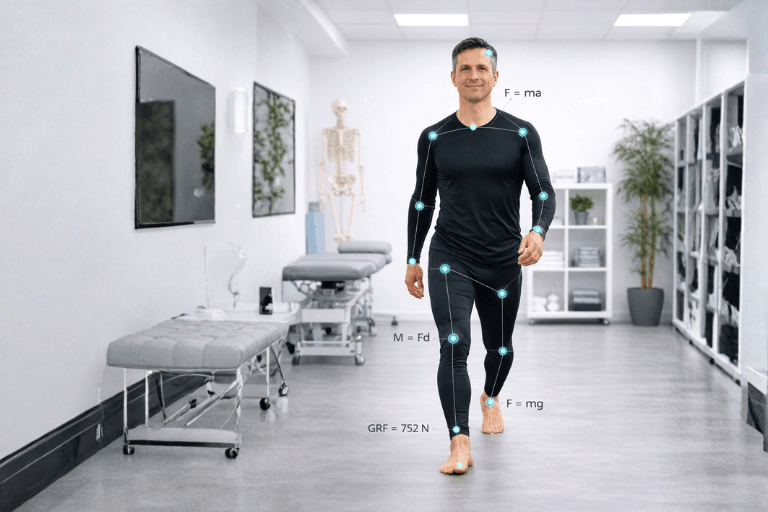
Each session begins with a structured clinical intake to establish precision and safety. This includes a detailed health history review, a focused evaluation of your primary concern, and a comprehensive physical examination. We assess movement patterns, joint mechanics, and neuromuscular function through targeted movement analysis and muscle testing to identify the true source of dysfunction—not just the site of pain.
From there, treatment is applied with intent. Techniques are continuously adjusted in real time based on tissue response, neurological feedback, and your tolerance.
Benefits and Results
Neuromuscular Therapy aims to reduce pain, improve mobility, and restore functional movement patterns. Outcomes include decreased muscle tension, improved posture, and better joint mechanics.
Patients have reported reduced recurrence of symptoms due to addressing underlying dysfunction. This makes it a preferred option for individuals seeking long-term results rather than temporary relief.
Provider: Jooj Dudin, LMT
Jooj Dudin, LMT, is a European-trained neuromuscular therapist licensed in Kentucky. Her work emphasizes clinical assessment, including movement analysis and muscle mapping, to identify dysfunction patterns. She applies targeted manual therapy based on objective findings, supporting measurable improvements in pain and mobility for patients in Louisville.

Frequently Asked Questions
What is neuromuscular therapy used for?
Neuromuscular Therapy is used to treat chronic pain, muscle dysfunction, and nerve-related symptoms. It targets trigger points, movement dysfunction, and postural imbalance to improve function and reduce pain.
How is neuromuscular therapy different from massage?
Neuromuscular Therapy uses clinical assessment and targeted techniques, while general massage focuses on relaxation. It is designed to address root causes rather than provide temporary relief.
How many sessions are needed?
The number of sessions depends on the severity and duration of the condition. Many patients begin to see improvement within a few sessions, with continued progress over time.
Is neuromuscular therapy painful?
Some techniques may cause temporary discomfort when addressing trigger points or tight tissue. This is typically brief and followed by reduced pain and improved mobility.
Can this help with sciatica or back pain?
Yes, neuromuscular therapy is commonly used for back pain and sciatica by addressing muscle tension, nerve irritation, and movement dysfunction.
Do I need a referral?
No referral is required. Patients can book directly when searching neuromuscular therapy near me.