
Muscle Testing Louisville KY
Precision assessment of muscle dysfunction to identify the true source of pain and movement limitation.
What Is Muscle Testing?
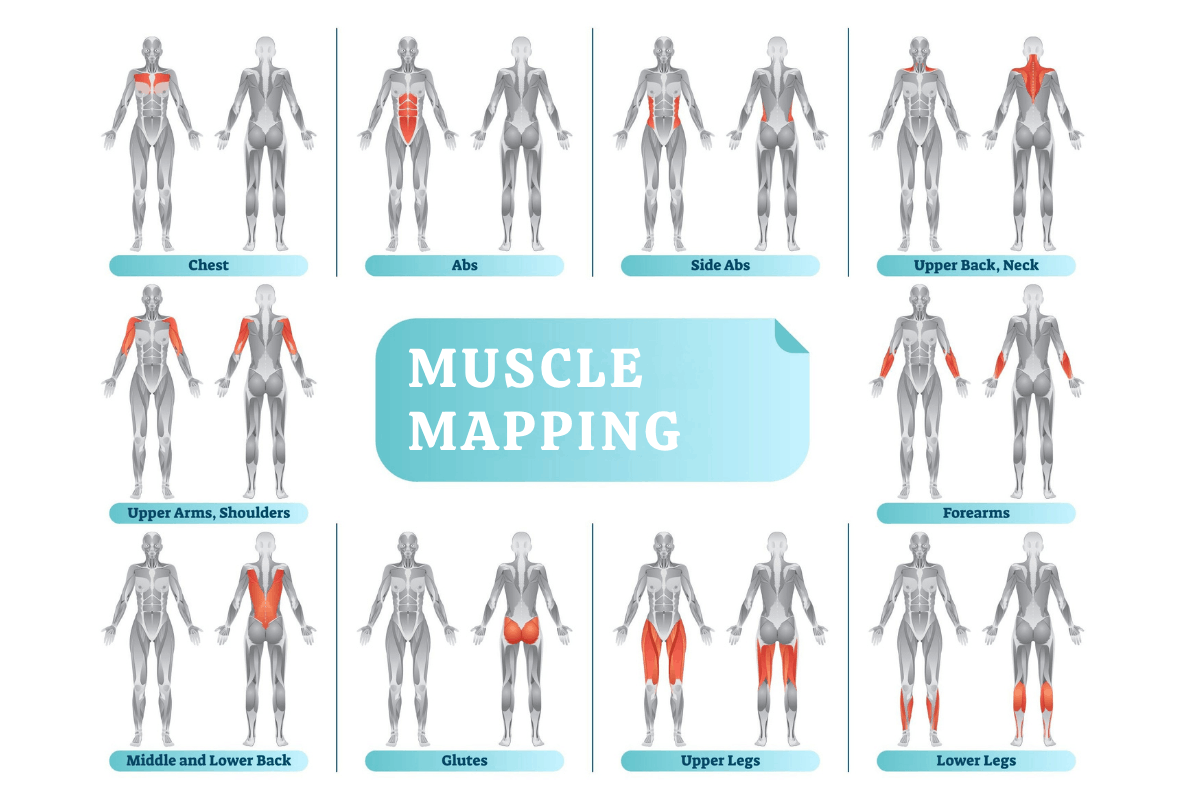
Muscle Mapping is a clinical assessment that evaluates skeletal muscle function, tone, and coordination to identify dysfunction patterns causing pain. It distinguishes between muscle spasm, myalgia, and neuromuscular imbalance to guide targeted treatment instead of generalized therapy.
Muscle Mapping focuses on how muscles behave, not just where pain is felt.
It identifies whether symptoms are driven by muscle spasm, chronic myalgia, or inefficient skeletal muscle activation.
This allows precise correction of dysfunction rather than temporary relief.
How Muscle Mapping Works
Neuromuscular Analysis & Research
Muscle Mapping works through structured palpation, movement testing, and neuromuscular analysis to identify dysfunctional muscle patterns. It evaluates tissue quality, trigger points, and activation imbalances while considering factors such as lactic acid accumulation and neuromuscular fatigue.
Tissue Quality Assessment
- Fascial restriction and density
- Muscle tone imbalance
- Adhesions and trigger points
Trigger Point Identification
- Pain reproduction accuracy
- Local versus referred pain patterns
- Active versus latent trigger points
Muscle Activation Patterns
- Overactive muscles
- Underactive muscles
- Synergistic dominance
Neuromuscular Imbalance Mapping
- Cross-pattern dysfunction
- Agonist and antagonist imbalance
- Stabilizer versus prime mover dysfunction
Palpation-Based Neurological Feedback
- Neural tension influence
- Guarding patterns
- Hypertonic versus hypotonic tone
Nerve Involvement Screening
- Sensitivity along nerve pathways
- Radiating pain patterns
- Dermatomal versus myofascial differentiation
What Muscle Mapping Helps
Muscle Mapping helps identify the root cause of muscle spasm, myalgia, and chronic pain conditions by locating dysfunctional muscles and neuromuscular imbalances. It is especially effective for conditions where pain patterns do not match the actual source of dysfunction.
Common conditions include:
- Chronic back pain
- Sciatica
- Neck pain
- Posture correction needs
- Shoulder dysfunction
- Hip and pelvic imbalance
- Poor correct sitting posture habits
- Repetitive strain injuries
How We Use Muscle Testing
The Jooj Method integrates Muscle Mapping with movement analysis to identify and treat the exact muscles responsible for dysfunction. This approach focuses on correcting neuromuscular imbalances rather than applying generalized massage techniques.
Each session integrates:
- Muscle Mapping Louisville KY assessment
- Movement analysis integration
- Targeted neuromuscular therapy
- Functional correction strategies
Clinical focus is placed on identifying which muscles are overactive, underactive, or dysfunctional, not just painful. This ensures treatment is specific, measurable, and function-driven.
Start addressing the root cause of your pain with expert neuromuscular care today.
What to Expect During Your Session
A Muscle Mapping session includes assessment, targeted treatment, and corrective guidance. The goal is to identify dysfunctional muscle patterns, reduce pain, and restore efficient movement within the same visit.
Your session may include:
- Detailed palpation of skeletal muscle function
- Identification of trigger points and muscle spasm
- Neuromuscular therapy techniques
- Education on movement and recovery
Patients often notice immediate changes in muscle tension and mobility. Ongoing sessions reinforce correction and prevent recurrence
Muscule Testing With Jooj Dudin, LMT
Jooj Dudin, LMT, is a European-trained neuromuscular therapist licensed in Kentucky. Her clinical work emphasizes Muscle Mapping and movement analysis to identify precise neuromuscular dysfunction. She applies structured assessment methods to differentiate muscle spasm, myalgia, and referred pain patterns. Her approach focuses on measurable outcomes and targeted intervention for complex pain conditions in Louisville.

Frequently Asked Questions
What is Muscle Mapping?
Muscle Mapping is a evidence-based method used to assess muscle function, identify trigger points, and detect neuromuscular imbalances causing pain.
How is Muscle Mapping different from massage?
Massage focuses on relaxation or symptom relief. Muscle Mapping identifies the exact dysfunctional muscles and guides targeted treatment.
Can Muscle Mapping help with muscle spasm?
Yes. It identifies the cause of muscle spasm and treats the underlying dysfunction rather than just reducing tension.
Does lactic acid cause muscle pain?
Lactic acid may contribute to short-term fatigue, but chronic pain is usually related to neuromuscular dysfunction and trigger points.
How many sessions are needed?
Some patients improve within 1 to 3 sessions of NMT. Chronic conditions such as back pain or sciatica may require a structured plan.